
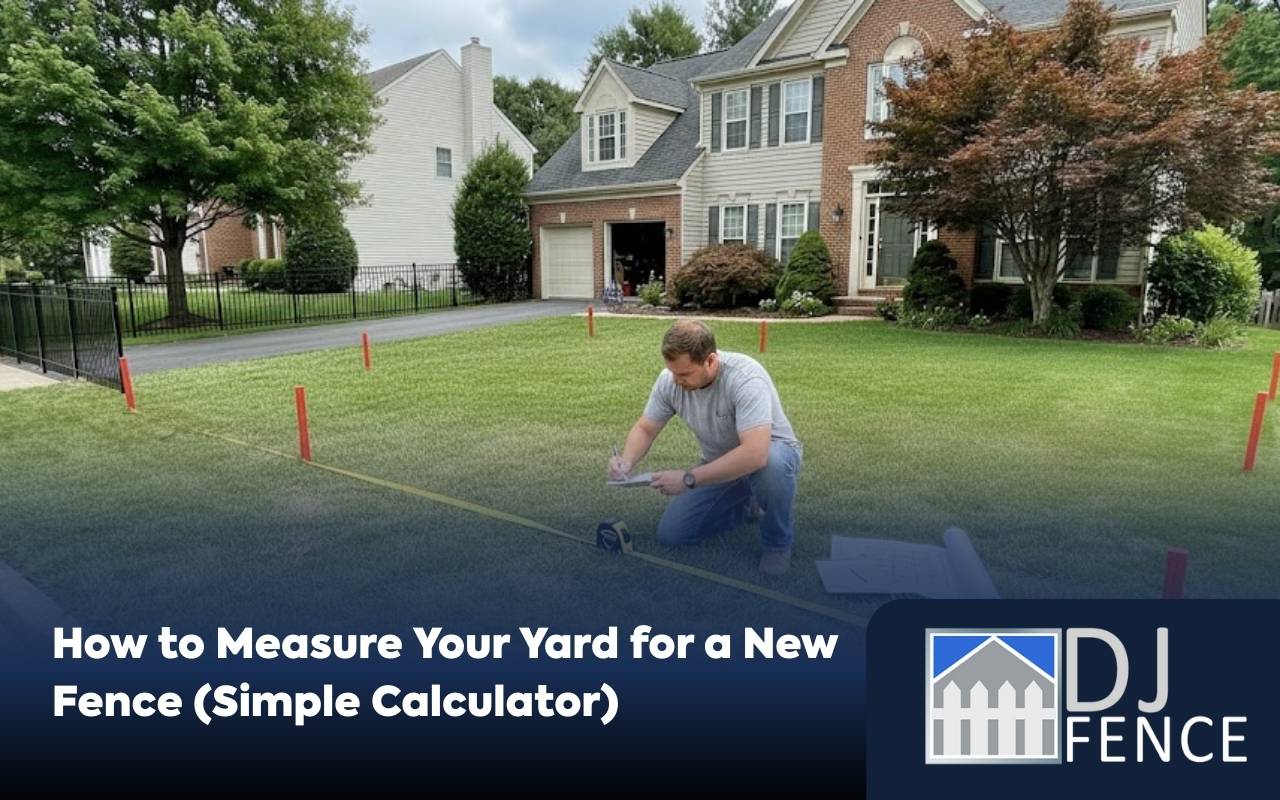
How to Measure Yard for Fence is the first step to building a fence that fits, looks good, and lasts. Before you choose style or color, you need clear, correct measurements.
Wrong numbers can waste time, money, and energy during a project. However, with simple tools, a basic calculator, and this guide, you can avoid common mistakes. You will also feel calmer when you plan for linear feet, lot slope, and any gates.
Importance of Accurate Measurements
When you know How to Measure Yard for Fence correctly, every part of the project becomes easier. Accurate numbers stop you from ordering too many posts, panels, or rails. They also prevent running short on materials, which often causes delays and stress.
Good measurements protect your budget because you buy only what you truly need. They help your fence sit level on a slope and stay strong for years. Furthermore, clear numbers make talks with suppliers or installers smoother and more confident.
Essential Tools Needed for Measuring
Before you start marking your yard, gather a few simple tools for accurate measuring. This way you can focus on numbers instead of hunting for missing gear.
- A long tape measure, ideally between 25 and 50 feet.
- Stakes and string to outline the planned fence line.
- A small or line level to notice any slope across the yard.
- A notebook, pencil, and simple calculator to record and add lengths.
- Optional markers, flags, or spray paint to show corners and future gate spots.
- Gloves and a hammer or mallet to place stakes safely.
Additionally, having everything ready keeps your measurements steady and reduces small errors.
Determining Linear Feet of Your Yard
Start by finding the total linear feet, a key part of How to Measure Yard for Fence. Walk the full fence line and keep the tape straight and tight as you go. Write each side or section in your notebook so no distance gets lost or guessed.
If your yard is a simple rectangle, you will likely have two long and two short sides. However, for uneven shapes, treat each straight run as its own small segment. Later you can add every segment to reach one clear total.
- Example: two sides of 40 feet and two sides of 20 feet equal 120 feet in total.
- Remember to note any planned gate openings so you include them in the total length.
Accounting for Lot Slope in Measurements
Many yards slope or have small hills, and these changes affect how your fence will sit. To see the grade, place stakes at the high and low points and stretch a level string between them. Then measure the vertical drop and the horizontal distance to understand the slope.
With this information, you can decide whether stepped panels or panels that follow the ground work best. Panels on a slope may cover slightly less horizontal distance, so adjust your linear feet with care. If your yard has a steep grade, consider getting professional fence help in Ashburn, VA to avoid gaps.
Measuring for Gates and Entry Points
Gates need careful planning because, unlike panels, you cannot simply cut them shorter. When following How to Measure Yard for Fence, decide gate locations and styles before you record other details. Choose whether you want a single swing, double swing, or sliding gate for each entry.
Next, measure the opening between posts and leave a small extra space for hinges and latches. Also, note the height from the ground to the planned top rail so the gate matches the fence line. Because gates add cost and labor, track them clearly in your notes and material list.
Adjusting Measurements for Obstacles
Most yards have trees, shrubs, rocks, or utility lines that do not fit a straight fence path. Instead of guessing, measure from a fixed point, like a house corner, to the obstacle, then to the next point. Write each part as its own segment so you avoid digging into roots or buried lines.
Sometimes a small jog or extra corner in the design keeps the fence clear of large features. Although this may add a few extra feet, it protects your yard and keeps panels in a neat line.
Utilizing a Simple Calculator for Accuracy
After you collect every measurement, a simple calculator becomes the easiest way to reach a clear total. Enter each segment, add them carefully, and include gate openings or jogs from obstacles. If you change the plan, you can quickly update the numbers without starting over.
- Double-check that you typed every segment correctly.
- Compare the calculator total with your sketch of the yard.
- Use a phone or tablet app if you like saving labeled measurements.
Tips for Double-Checking Your Measurements
Before you order materials, give your measurements one more careful review. Walk each fence line again, focusing on long runs where a loose tape can change the result. It also helps to have a friend hold the tape while you read and call out numbers.
Now sketch the yard and write each segment, gate, and obstacle on the drawing with its length. When the map and notes match, you can feel sure your measurements are correct.
Common Mistakes to Avoid in Yard Measurement for Fencing
Even careful homeowners make small errors that grow into big headaches during fence installation. Knowing these common issues helps you avoid them from the start.
- Skipping curves or rounded corners and measuring only straight across the yard.
- Forgetting to leave extra room for gate hinges, latches, and smooth swinging space.
- Ignoring the slope and ending up with panels that float above the ground or dig into soil.
- Relying on memory instead of writing measurements and labeling each fence run.
- Doing all math in your head and not checking it with a calculator or simple app.
By staying patient, writing everything down, and trusting your tools, you greatly lower the risk of surprises.
Frequently Asked Questions
How do I start if my yard shape is odd or angled?
Even with a strange layout, treat each straight run as its own piece. Sketch the property line, mark every corner, and measure from point to point. Then add the pieces with a calculator. This method keeps the math simple and still gives you a correct total for panels and posts.
What is the easiest way to remember How to Measure Yard for Fence?
Break the task into clear steps: mark the line, measure each side, note gates, and check the slope. Keep a written checklist so you do not skip any step while you work. Finally, store your notes with a simple sketch so you can review them later or share them.
Do I really need a calculator for my fence measurements?
While you could add lengths in your head, a calculator helps prevent small mistakes that change totals. It also makes it easier to test different plans, such as moving a gate or shortening one side. For big yards, a phone app that saves labeled numbers can be even more helpful.
How does a slope change my fence measurements?
A gentle slope rarely changes the total distance, but it can change how panels meet the ground. Steeper slopes may need stepped panels or rails that follow the grade, which affects post height and spacing. Measuring the drop between stakes helps you and your installer choose the right style.
When should I ask a professional to review my fence plan?
If you feel unsure about property lines, steep slopes, or large gates, it is wise to talk with an expert. You can always contact DJ Fences to review your measurements, discuss options, and plan installation. Their advice can save you from ordering wrong materials or placing posts in poor locations.
Bringing Your Fencing Vision to Life
Careful planning and clear measurements turn a rough idea into a fence that fits your yard and lifestyle. By using the steps in How to Measure Yard for Fence, you give yourself a strong base for every decision. You will order the right materials, place posts in smart spots, and avoid most stressful surprises.
Once your plan feels solid, you can start digging, set posts, and watch your new fence shape your space. With time and care, your finished fence will improve privacy, safety, and curb appeal for many years.